Learn how dialect-aware AI and WhatsApp-native lead engines drive 3x higher conversion for MENA enterprises compared to traditional static forms.
For years, the standard approach to digital marketing in the Middle East has relied on the static lead capture form. A potential customer lands on a page, fills out five fields, and waits for a call. However, this model is fundamentally broken for the modern MENA market. Data from GreetNow shows that leads contacted within 5 minutes are 21 times more likely to be qualified than those contacted after just 30 minutes. Furthermore, 78 percent of customers buy from the first company to respond.
In regions across the Middle East, such as Saudi Arabia, the UAE, and Egypt, where mobile penetration is among the highest globally, a static form represents a massive friction point. When a customer has to wait hours or days for a callback, the momentum is lost. Business leaders are beginning to realize that the interface itself must evolve. According to VentureBeat, software is shifting from something humans operate, such as filling out a form, to systems that understand intent. This shift is critical because today's buyer expects an immediate, conversational response in their preferred channel, which is almost always WhatsApp rather than an email inbox.
The Dialect Gap: Why Generic AI Bots Lose Saudi and Egyptian Leads
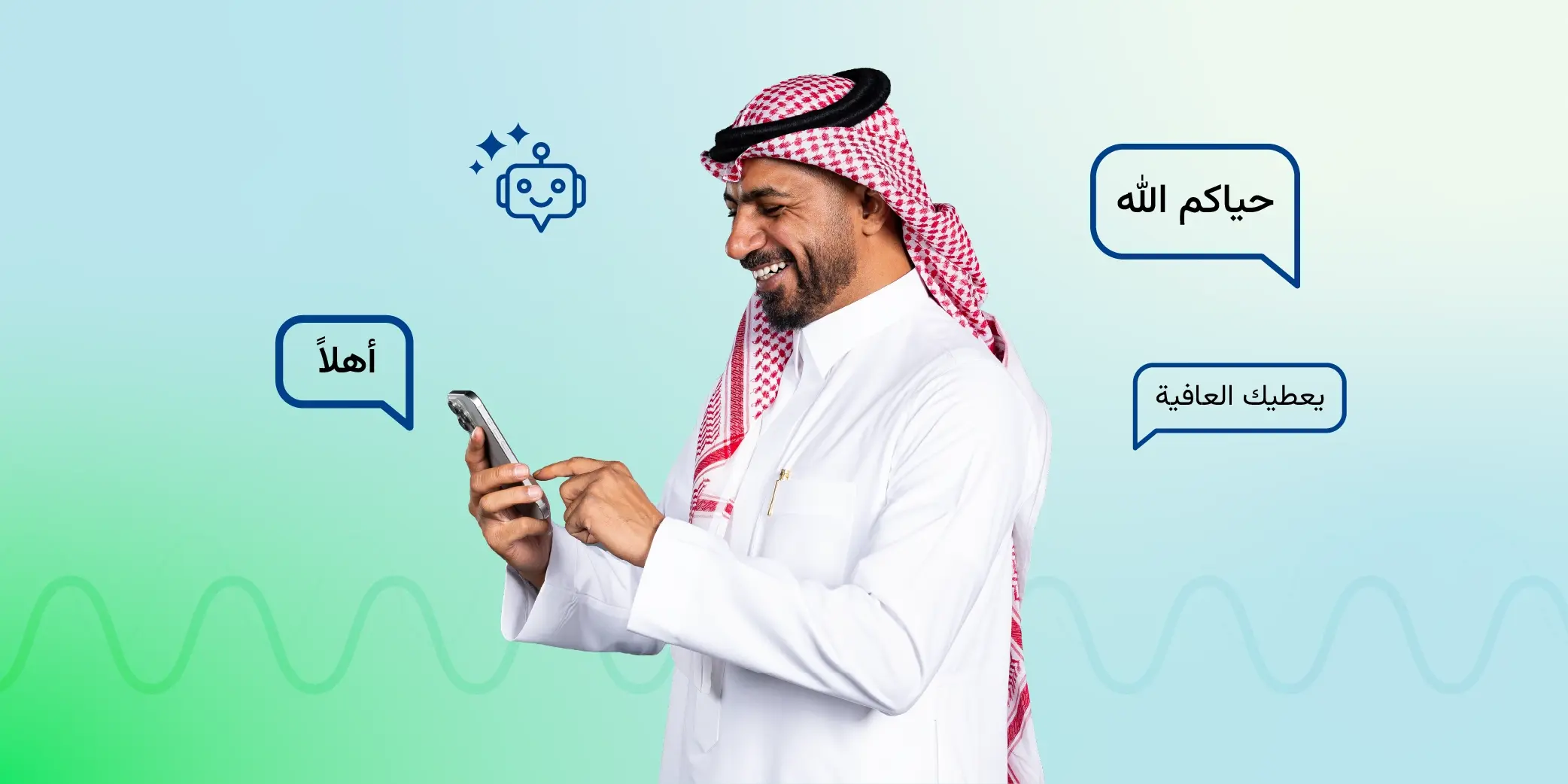
One of the biggest mistakes enterprise sales leaders make when localizing their digital strategy is deploying 'Standard Arabic' bots. While Modern Standard Arabic (MSA) is the formal language of writing, it is not the language of trust or commerce in daily life. There is a significant performance gap when AI agents fail to understand colloquial dialects like Khaleeji or Egyptian.
A lead from Riyadh might use specific local phrasing, or a customer in Cairo might mix Arabic with English terms. If your automated qualification tool only understands formal grammar, it will fail to capture the nuance of the lead's intent. This is where the 'Dialect-First' playbook becomes a competitive advantage. By using AI agents that are trained on regional nuances, companies can achieve a 'Cultural Conversion ROI' that is up to 3 times higher than rigid, formal bots.
These agents do more than just provide suggestions; they act autonomously. Research from IBM indicates that 72 percent of leaders are focusing on enterprise-wide AI agents to improve IT ROI by at least 25 percent. These agents can interpret the sentiment behind a Khaleeji expression or a quick Arabizi message, ensuring the lead feels understood from the very first interaction.
WhatsApp-Native Integration: Syncing Leads to the CRM
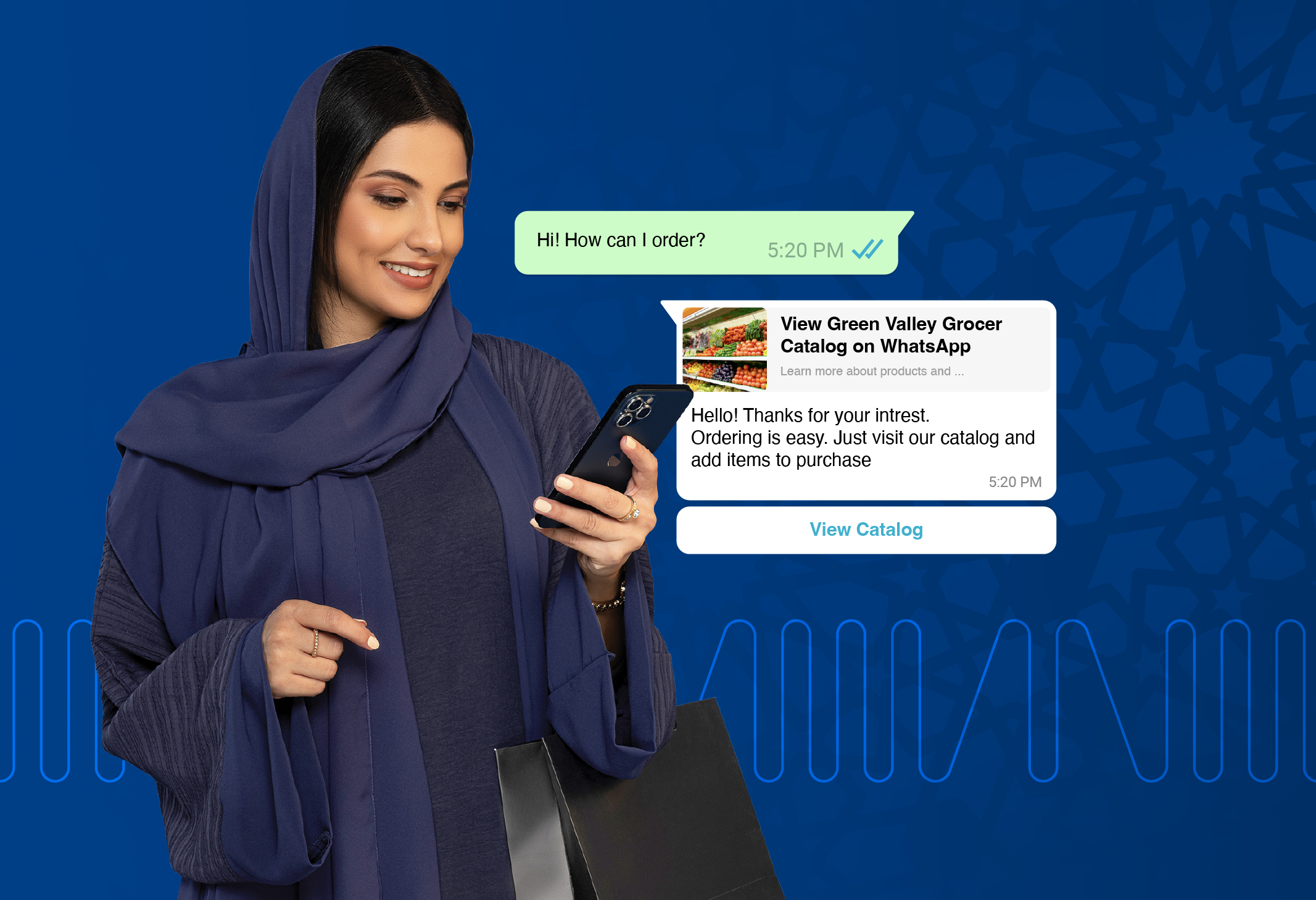
In the MENA region, WhatsApp is not just a messaging app; it is the primary operating system for life and business. However, a major technical friction point for enterprises is how to sync these 'WhatsApp-first' leads back into backend systems like Salesforce or Oracle. Many businesses have manual processes where a sales agent copies data from a phone into a CRM, leading to data loss and slow response times.
Platforms such as Unifonic address this by providing a no-code, AI-driven solution that natively integrates with backend systems, unifies data streams, and ensures that 1st Party data captured through conversations across channels, is fed directly into the enterprise workflow. This ensures that when an AI agent qualifies a lead over WhatsApp, the data is instantly mapped to the correct CRM fields.
This reflects the broader industry shift toward outcome-based AI. A case study from GTMnow shows how high-performing agents can now handle 80 percent of support volume by focusing on outcomes rather than just activities. For a sales leader, the outcome is a fully qualified Marketing Qualified Lead (MQL) appearing in the dashboard without a single manual keystroke.
Case Study: The Impact of Cultural Nuance in Banking
Imagine a regional bank in the UAE looking to qualify applicants for a premium credit card. A traditional form might ask for 'Annual Income' and 'Employment Status,' which feels cold and intrusive. Conversely, a dialect-aware AI agent on WhatsApp can start the conversation with a friendly 'Marhaba.'
If the applicant responds in a mix of English and Arabic (Arabizi), the agent continues the flow seamlessly. It can ask about the user's lifestyle and spending habits in a way that feels like a consultation rather than an interrogation. By the time the lead is passed to a human relationship manager, the agent has already verified their eligibility and intent.
This approach not only speeds up the sales cycle but also ensures that the bank's brand is perceived as modern and culturally attuned. By collapsing the layers between data collection and action, the bank can ensure it is the first to respond to a high-value prospect, securing that 78 percent advantage mentioned in the lead response statistics.
The Future of MENA Lead Generation
The transition from static forms to automated, dialect-aware chat is no longer optional for MENA enterprises aiming for digital leadership. By focusing on cultural conversion and regional communication preferences like WhatsApp and Arabizi, businesses can significantly improve their lead quality and ROI.
The key takeaways are clear: speed is the ultimate competitive advantage, dialect-first AI drives higher trust, and seamless CRM integration is essential for scaling. As AI continues to replace traditional interfaces, the winners will be those who prioritize the customer's cultural context over rigid technical structures.
If you are ready to see how a localized, AI-driven approach can transform your sales pipeline, exploring a specialized conversational AI demo is the next logical step for your digital transformation journey.